Showing posts with label milliner. Show all posts

Wednesday, 27 July 2016

On to Antwerp

On to Antwerp

Having already passed through Antwerp from Brussels to Tilburg  and the brutalist architecture of the station I was intrigued to see more. The earlier train proved to be the slow train passing through every village and town. As I found out later the Antwerp sales which always begin each year on July 1st are a big pull for the inhabitants of the Netherlands. It was a busy station. Intriguing with the vote that we just had in the UK that this ease of movement will be lost. This neighborliness and collaborative spirit.
Antwerp station is phenomenal coming out of the depths of three floors down up into the grandeur of gold and carved stonework, stations of old, promising adventure and excitement. The hotel was only 5 minutes walk away. Stations may occasionally need better sign posts or I need to map read better. The jaunt through the slightly scrubby streets to the west of the station didn’t promise greatness, hotel found, wonderful staff and a room of peace and quiet, the next part of the adventure could begin.


I was in Antwerp to explore MOMU the fashion museum. The challenge was that none of my correspondence had been replied to. So a Saturday afternoon jaunt into the centre to get my bearings and work out where MOMU was and whether there was another way to connect. Quite nerve wracking and angst creating thinking how would I build the research without a contact. Thoughts that I could just commute back to Tilburg if it really didn’t happen but not ideal.


I have never visited Belgium prior to this trip and was intrigued to explore and gain a sense of place and people. Antwerp felt safe, engaging, open and accessible. There is a sense of wealth with an exceptional range of shops and places to eat yet a society that works as a society. The first afternoon boded well for the week ahead whatever happen.

MOMU entrance
Antwerp skyline

Farewell Tilburg

Farewell Tilburg

I have packed in so much into the time here, yet would happily stay longer to unearth more about the history of the place and the impact that that has on the success of the museum and the venture of the Lab. Tilburg has similarities with some of our smaller Yorkshire mill towns and Luton and its hatting as the industry was composed of 150 SME’s just 40 larger companies and in its hey day employed 15,000 workers, producing 65% of the wool production in The Netherlands.

Tilburg has no notable industry left socio geographers would see this as Phantom industry in having no direct economic industry but social scars from the past. The museum has become a small catalyst for social regeneration. All the members that I met at the museum were highly positive and saw this as a great opportunity to create new opportunities and tell the story of the textiles industry which had formed the town. The Tilburg model could be another way to do this with the appropriate regional and national support and collaborative structure between artisans, academia and museums.

I first heard of Tilburg from Eugenie van Oirschot, a milliner from The Netherlands, when I attended a workshop with her in Edinburgh. She spoke with such zeal about what the museum and textile lab achieved for designers and the artisan community that I wrote it down in my wish list. To have finally visited and had the opportunity to see it in action thanks to the Winston Churchill Fellowship I understand that passion. The museum is a definite catalyst for change in the community and the region, thanks to its inspirational vision and a team who work together to inspire and aspire to new textiles futures.

Wednesday, 6 July 2016

My first meeting

Textiel Museum, Tilburg.

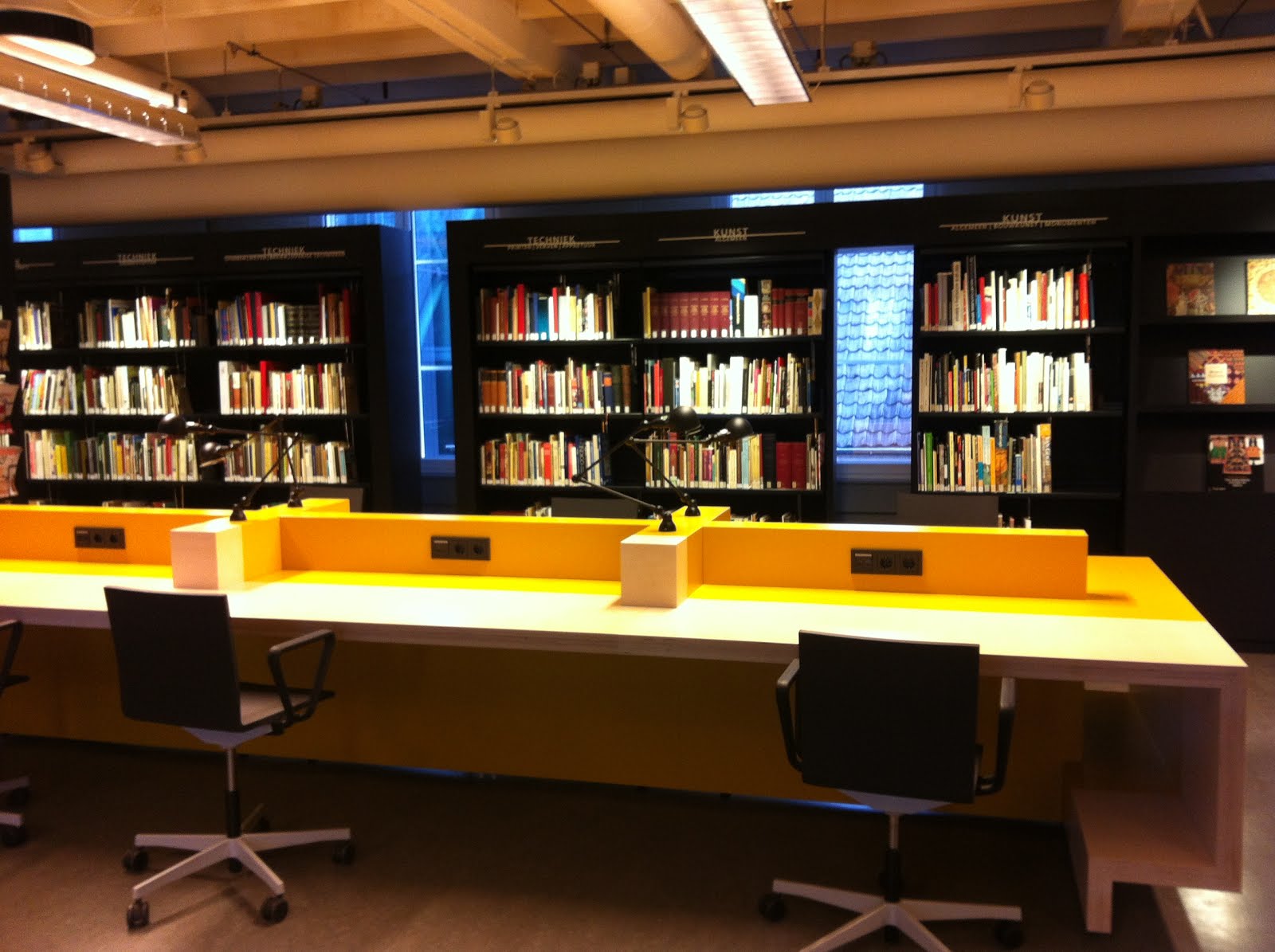
My first meeting was with Jantiene van Elk, who runs the library and graciously talked me through the collections and history of the museum and lab. The similarities to the textile regions of Yorkshire are great with many things that we could learn. An interesting point to note already is that what is often pivotal is having a visionary lead person who realises the importance of the provenance and history of the region. The museum was set up in 1958 as a way to capture the Woollen history of the town and region as the Chair of the Chamber of Commerce in the city saw its value. Initially it was housed in a former textile magnates villa, moving to its current location in 1986, which was the former mill of C Mommers & co one of the first mills to produce Buckskin in Tilburg.

Library/Bibliotech 2nd Floor Textiel Museum
Initial Research
Leeds Mill workers top - Tilburg mill workers below 
A great mission statement to take back to UK
Education drawers in the library
Textile samples

Day 1 Tilburg

Finding the Textiel Museum

One of my favourite parts of travel is meandering through a town or city and getting a sense of where I am and what that means. The wondering through streets like a flaneur following the traditions of Baudelaire and Benjamin. Aspiring to as really I had a destination to get to quickly.....
Walking for walking sake and not in a hurry to just get from one place to another, but to just experience/wondering in the urban cityscape, alley ways and hidden corners and nooks observing the immediate, and also to be seen.
mini library
interesting glass and tiles
Tilburg artisan cottages made me think of Hebden Bridge and the fustian making
My destination Textiel Museum Tilburg

Monday, 4 July 2016

My Context

Why undertake the Fellowship?


Red Felt piece inspired by Scottish Clearings, S K Bainbridge 2009
In the Collection of Stockport Museums and Galleries, Stockport. UK.
I began making hats in 2000 when I joined the HNC millinery course at Leeds College of Art & Design. I had always made and was at the time teaching textiles within Further Education, so the course was perfect for professional development. I fell in love with making three dimensional objects. Textiles suddenly made sense. So began my voyage of discovery and my change of direction. I continued to study undertaking the more skills based City & Guilds Millinery as well. My aim to look at ways to develop a more holistic mode of study to include technical skills, design and context of practice.

In 2004 I began teaching millinery as a HNC at Leeds and for City & Guilds in Huddersfield. I was fortunate to work with a range of talented people who were inspired and wanted to develop millinery further as businesses and teaching opportunities. Over the ten years that I taught millinery many changes happened in craft and adult education which impacted negatively on ways to develop future milliners. The qualification courses I ran closed  and the only way to share skills was through private short courses.

Hence my wish to undertake the fellowship and look at other ways to create sustainable and effective artisan education and skill sharing. I have been fortunate to work with Hat Works, the hat museum in Stockport as a voluntary curator, researcher since 2010 and this has also informed my questions as the cultural and museum sectors have been affected by political shifts. How can these areas collaborate to mutually benefit each other and create new paths for future working relationships. As I work in Higher Education I feel that this also has a role in collaborative futures.
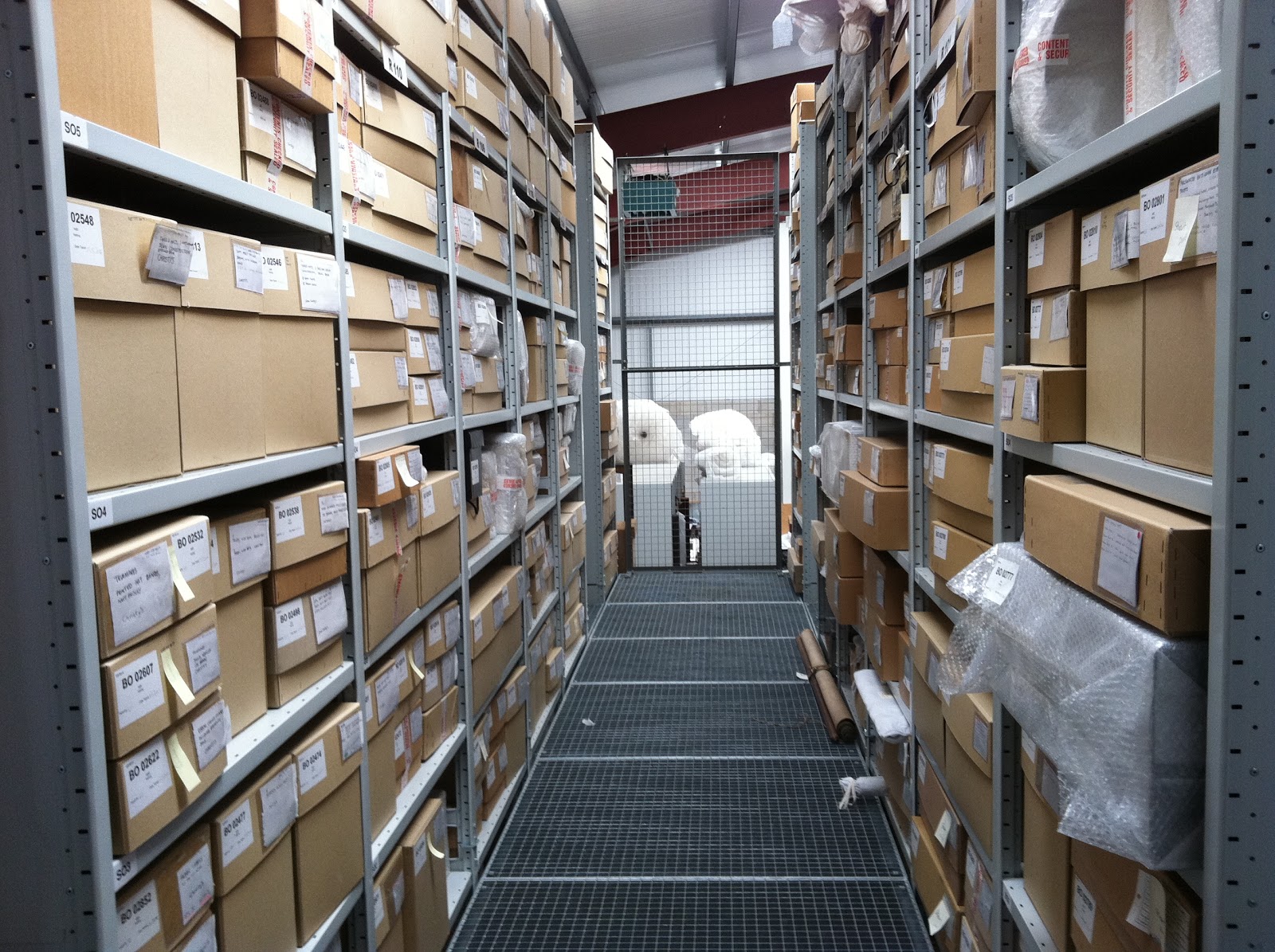
Archive Hat Works
 

Introductions

I have been fortunate to have been awarded a Winston Churchill Fellowship by the Winston Churchill Memorial Trust. My Fellowship is within The Creative Industries field and aims to look at best practice across Western Europe of supporting artisan makers through museums, collaborative practice, community engagement and innovative ways of thinking. As an educator and occasional milliner my main theme will be to address this within millinery and ways that can be shared within the U.K. to enable this niche area to survive and thrive.


The image from the train to Tilburg, Nederlands, seems a perfect symbol for the purpose of the WCMT Fellowships - to have conversations, to share, to listen, to learn.

My planning has been slightly erratic. i am someone who always considers that there are 36 hours in a day and that I need little sleep. The reality is that i need at least 8 hours and there are only 24 hours. So this has been my first learning before I began. It's alright to ask for help and you need lots of time to plan. Working 50+ hour weeks isn't always conducive to this so another observation to take forward before i even began my travels.


Jacquard card punch at Textiel Museum Tilburg, Nederlands
So order and organisation to assist me getting the most from this truly amazing opportunity.